
A Systematic Index of Plant-Based Essential Nutrients.
Understanding how specific vitamins and minerals within vegetables and fruits contribute to long-term vitality. This guide translates biochemical data into actionable nutritional knowledge for an active lifestyle.

The Fat-Soluble Compound Group
Vitamins A, D, E, and K are stored in the body's lipid tissues. In the context of nutrition for men, these are foundational for maintaining skin integrity, bone density, and efficient metabolic signaling during physical exertion.
- 01
- 02 Requires dietary lipids for optimal absorption.
Vitamin A (Retinoids & Carotenoids)
Primarily found as Beta-carotene in carrots, sweet potatoes, and spinach. Vitamin A is essential for supporting visual acuity and immune function, especially during high-intensity sports where oxidative stress is elevated.
Vitamin K (Phylloquinone)
Abundant in cruciferous vegetables like broccoli and Brussels sprouts. Its role in calcium regulation makes it a key nutrient for bone health and vascular resilience in an active lifestyle.
Water-Soluble Efficiency
Unlike fat-soluble vitamins, Vitamin C and the B-Complex must be replenished daily through food. They are the chemical engines of energy metabolism and cellular repair.
Metabolic Spark
Critical for protein metabolism and the synthesis of neurotransmitters. Found in bananas and chickpeas.
Nerve Integrity
Essential for red blood cell formation and DNA synthesis. Crucial for maintaining high energy levels.
Collagen Synthesis
A powerful antioxidant found in bell peppers and strawberries that aids in tissue repair and iron absorption.
Cellular Growth
Sourced from legumes and leafy greens, folate is necessary for proper cell division and amino acid metabolism.
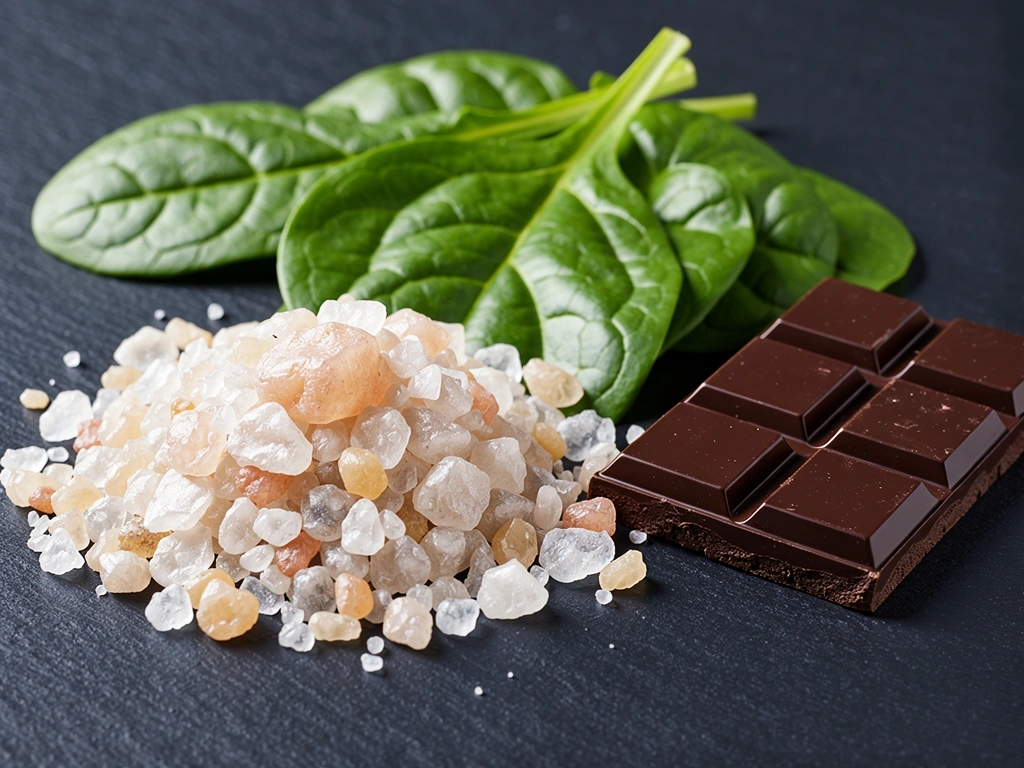
Inorganic Essentials: The Mineral Foundation
Minerals are elements that originate in the Earth and cannot be made by living organisms. Plants absorb these through soil, becoming the primary delivery vehicle for humans. For men in Italy pursuing an active lifestyle, balancing these electrolytes is as important as caloric intake.
See Performance ImpactsMagnesium
Involved in over 300 biochemical reactions, including muscle and nerve function, blood glucose control, and structural bone development. Deficiency is common in those with high caffeine intake or intense sweat loss from sports.
Zinc
A catalytic element required for immune cell production and protein synthesis. For men, zinc is vital for maintaining cellular integrity and efficient recovery cycles after physical activity.
Potassium
This intracellular electrolyte maintains fluid balance and supports nerve signals. Proper levels of potassium are necessary to prevent muscular cramping and support healthy blood pressure.
Beyond the Basics: Phyto-Compounds
While vitamins and minerals are vital, fruits and vegetables offer secondary compounds that provide protective benefits for optimal long-term well-being.
Lycopene
Highly concentrated in tomatoes and watermelon. Research indicates that this powerful carotenoid supports cellular health and cardiovascular function.
Sulforaphane
A sulfur-rich compound found in cabbage and broccoli. It activates detoxification enzymes in the liver and supports the body's natural defense against environmental stress.
Quercetin
Found in onions, apples, and berries. Known for its antioxidant and antihistamine effects, helping to manage systemic efficiency after strenuous exercise.
Nutritional Strategy
"Eating a variety of colors ensures a full spectrum of the nutrients discussed in this guide. Diversity is the key to metabolic efficiency."
Consultation hours
Mon-Fri: 09:00-18:00
Via Roma 12, 00100 Roma, Italia
Prioritize Bioavailability
Combine iron-rich vegetables with Vitamin C to increase absorption rates significantly.
Manage Soil Depletion
Focus on organic and local Italian produce where soil nutrient density is managed traditionally.
Hydration Pairing
Ensure adequate water intake when increasing dietary minerals to maintain electrolyte balance.
Need more detailed performance analysis?
Performance Strategy